


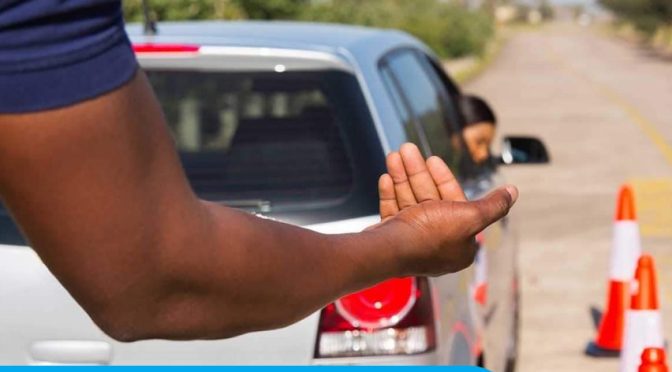
Few parts of the WA Practical Driving Assessment catch learners off guard like the Left Something Behind exercise. If you’re preparing for the WA PDA test, understanding the Left Something Behind exercise is essential. It sounds simple. However, this single task tests your observation, vehicle control, and decision making all at once.
The good news? Once you understand what the assessor expects, this exercise becomes one of the easiest sections to pass. In this guide, DriveSolo explain exactly what to do and what not to do during the Left Something Behind exercise in the WA PDA test.

What Is the Left Something Behind Exercise?
During your PDA test WA assessors will ask you to pull over and park on the left. Then comes the twist. The assessor says something like: “Imagine you’ve left something behind. When you’re ready, turn the vehicle around and head back.”
In other words, you must turn the car around safely and drive back the way you came. The assessor watches how you stop, secure the car, choose a turning point, and rejoin traffic.
Why Does the PDA Include This Task?
The Department of Transport (DoT) uses this exercise to test real-world skills. After all, every driver forgets something at some point. Therefore, the DOT driving test checks whether you can:
- Stop and park safely on the left
- Secure the vehicle correctly
- Plan a safe way to turn around
- Observe traffic with mirrors and head checks
- Rejoin the road without forcing anyone to brake or swerve
What to Do During the Left Something Behind Exercise
Follow these steps, and you will give the assessor exactly what they want to see.
Step 1: Pull Over Safely
First, check your rear-view mirror. Next, signal left for at least three seconds. Then slow down smoothly and stop parallel to the kerb.
Choose a legal spot away from intersections, bus stops, and driveways. In addition, make sure you have clear visibility in both directions.
Step 2: Secure the Vehicle
Once stopped, apply the handbrake. Select Park in an automatic or neutral in a manual. This small step shows the assessor you have full control of the vehicle.
Step 3: Plan Your Turn
Now, look for the safest way to turn around. In most cases, a driveway turn is the best option. You can reverse into a driveway on your left, or drive nose-first into one across the road, then reverse out and drive back.
A U-turn may also be acceptable if the road is wide, quiet, and U-turns are legal there. Whatever you choose, plan it before you move.
Step 4: Observe, Signal, and Move Off
Before moving, check your rear-view mirror, your right mirror, and your right blind spot with an obvious head turn. Signal right. Only move when the road is clear in both directions.
WA assessors want exaggerated head checks. Turn your head far enough that there is zero doubt you looked.
Step 5: Complete the Turn and Rejoin Traffic
Keep the car slow and controlled during the manoeuvre. Check both directions again before each movement. Finally, return to the correct side of the road, cancel your indicator, and build back up to a suitable speed.
Aim to complete the whole turnaround within about two minutes, and avoid crossing to the right side of the road more than once.
What NOT to Do During the Left Something Behind Exercise
Most learners fail this task for the same handful of reasons. Avoid these mistakes and you are well ahead.
Don’t Do a Three-Point Turn on the Open Road
This is the big one. If a driveway is available, use it. Assessors expect you to pick the safest option, and a three-point turn across live traffic is rarely that. Save the three-point turn for when no driveway or safe alternative exists.
Don’t Skip Your Blind Spot Checks
A missed head check before moving off is a critical error. As a result, it can fail your test on the spot. Check your blind spot every single time you move the car, even during a multi-part turn.
Don’t Touch the Kerb
Bumping or mounting the kerb during the turn counts against you. A hard hit can end your driving test WA attempt immediately. Keep your speed low and your steering precise.
Don’t Enter Private Property
When using a driveway, stop before the property boundary. Rolling onto someone’s driveway apron is fine; driving into their yard is not.
Don’t Rush or Block Traffic
Never force an approaching car to slow down or swerve. That is an instant fail. At the same time, don’t freeze for minutes waiting for a perfectly empty road. Pick a genuine safe gap and commit to it smoothly.
Don’t Rely on the Reversing Camera
You may glance at the camera briefly. However, your main observation must come through your mirrors and shoulder checks. Assessors watch your head movement closely.
Quick Reference: Do’s and Don’ts
| Do | Don’t |
|---|---|
| Signal for 3+ seconds before stopping and moving off | Forget indicators at any stage |
| Secure the car with handbrake and Park/neutral | Roll back or leave the car unsecured |
| Use a driveway to turn around where possible | Do a three-point turn when a driveway exists |
| Make obvious head checks before every movement | Rely on mirrors or the reversing camera alone |
| Wait for a safe gap, then move decisively | Force other road users to brake or swerve |
How to Practise This Exercise Before Your Test
Practice makes this manoeuvre feel automatic. Start on quiet suburban streets near your local assessment centre. Then repeat the exercise with driveways on both the left and right sides of the road.
For example, ask your supervisor to call out “you’ve left something behind” at random moments. This trains you to plan under pressure, just like the real DOT practical assessment.
DriveSolo’s experienced and qualified driving instructor Perth learners trust can also show you the exact standards assessors apply. Because instructors know the local test routes, they can point out the best turning spots near your centre.
Frequently Asked Questions
Is the Left Something Behind exercise in every WA PDA test?
Yes, Treat it as a standard part of your driving test tips WA checklist.
Can I do a U-turn instead of using a driveway?
Yes, if you have side streets, traffic is light you can make U-turn using the face of a side street. That said, a driveway turn is usually the safer and preferred option. For a closer look at each turning option and when it suits the road, see our guide to WA PDA U-turn options.
Will I fail if I touch the kerb?
A light touch may count as a point loss. A hard hit or mounting the kerb is a critical error and can end your assessment immediately.
How long do I have to complete the turnaround?
You should complete the manoeuvre within about two minutes. In addition, you should not drive on the wrong side of the road.
Does this exercise apply to automatic cars too?
Absolutely. The steps are identical whether you take automatic driving lessons Perth wide or learn in a manual. Automatic drivers select Park; manual drivers use neutral and the handbrake.
Master the PDA with DriveSolo Driving School Perth
The Left Something Behind exercise rewards calm, well-practised drivers. Learn the steps, avoid the common traps, and practise until each check feels natural. As a result, you will walk into your practical driving test Perth assessors run with real confidence.
Want expert help on how to pass driving test WA first go? DriveSolo Driving School Perth offers patient, professional driving lessons Perth learners love. Our instructors know the local PDA routes and teach every test manoeuvre, including this one, to DoT standards.
Book your lesson with DriveSolo today and turn test-day nerves into a first-attempt pass. Book Now to get started.
