



The first few hours behind the wheel shape far more than a teenager’s chances of passing their test. They shape how they scan for hazards, judge gaps, respond under pressure and make decisions when nobody is sitting beside them. That is why driving lessons for teenagers Perth families choose should focus on safe, repeatable habits – not simply getting through a checklist before the Practical Driving Assessment (PDA).
For parents, teaching a learner can be rewarding, but it can also be stressful. It is difficult to watch your child make a late brake, hesitate at a roundabout or miss a pedestrian near a crossing. A qualified instructor provides calm, independent coaching, while giving learners the chance to practise in a vehicle designed for training.
Why professional lessons matter for teenage drivers
Teenagers are often quick to pick up the physical controls of an automatic car. Steering, braking and indicating can feel familiar after only a few drives. The more difficult part is developing judgement: reading traffic early, managing speed before a bend, choosing a safe gap and staying aware when several things happen at once.
This is where informal practice can have limits. Parents and carers bring valuable real-world experience, but many long-time drivers have habits they no longer consciously think about. A learner may hear different advice from different family members, or practise mainly on the same quiet streets. That can build comfort, but it does not always build broad road awareness.
Professional instruction gives teenagers consistent feedback based on current Western Australian road rules and PDA expectations. Rather than being told they have made a mistake, they should be shown what happened, why it created risk and what to do differently next time. That turns correction into a skill they can use independently.
What good driving lessons for teenagers in Perth look like
A useful lesson is not a lap around the neighbourhood with a few instructions called out at the last second. It has a clear purpose, enough challenge for the learner’s current ability and time to reflect on what went well.
Early lessons may cover vehicle set-up, smooth braking, steering control, mirror use, road position and simple intersections. As confidence grows, lessons should introduce busier traffic, multi-lane roads, roundabouts, parking, merging, complex intersections and driving in different conditions. Night lessons can also be valuable once a learner is ready, because visibility, glare and hazard recognition change after dark.
The right pace depends on the teenager. Some learners need extra time to feel comfortable controlling the car. Others are physically capable but rush decisions or become distracted when traffic builds. There is no benefit in pushing a nervous learner into difficult routes too early. Equally, staying on quiet roads for too long can leave a learner unprepared for everyday Perth driving.
Feedback should be specific and calm
“Be more careful” is not enough for a learner to improve. Helpful coaching identifies the action and the solution. For example, an instructor might explain that braking started too late because the learner was looking only at the car ahead, then teach them to look further down the road and ease off the accelerator sooner.
Specific feedback also helps teenagers understand that an error is not a personal failure. Missing a mirror check, approaching a roundabout too fast or turning too wide is something to recognise, correct and practise. That approach builds confidence without pretending the road is risk-free.
The training vehicle is part of the safety plan
Learners benefit from practising in a well-maintained, fully insured car with dual controls. Dual controls allow the instructor to intervene if a situation becomes unsafe, which creates a safer learning environment for the teenager, instructor and other road users.
For many families, using the instructor’s automatic vehicle also avoids the pressure of learning in the family car. Learners can concentrate on driving, while parents can keep their vehicle available for work, school runs and daily commitments. A 5-star ANCAP-rated training vehicle adds another layer of reassurance, particularly in the earliest stages of learning.
Balancing professional lessons with family practice
Professional tuition and supervised family practice work best together. Lessons provide structured skill development and objective correction; family drives provide the repetition needed to make those skills feel natural. Neither needs to replace the other.
After a lesson, ask your teenager what they practised and what they want to work on next. If the focus was roundabouts, choose routes with a few suitable roundabouts and allow plenty of time. If they are learning parking, practise when car parks are quieter rather than starting in a packed shopping centre on a Saturday morning.
Try to keep family practice calm and purposeful. Giving too many instructions at once can overwhelm a learner, particularly in busy traffic. It is usually better to agree on one or two priorities before setting off, such as checking mirrors before changing direction and maintaining a safe following distance.
It also helps to avoid correcting every small issue while the car is moving. If there is no immediate safety concern, save some feedback for when the vehicle is parked. Teenagers need concentration space to process traffic, signs, speed and vehicle control.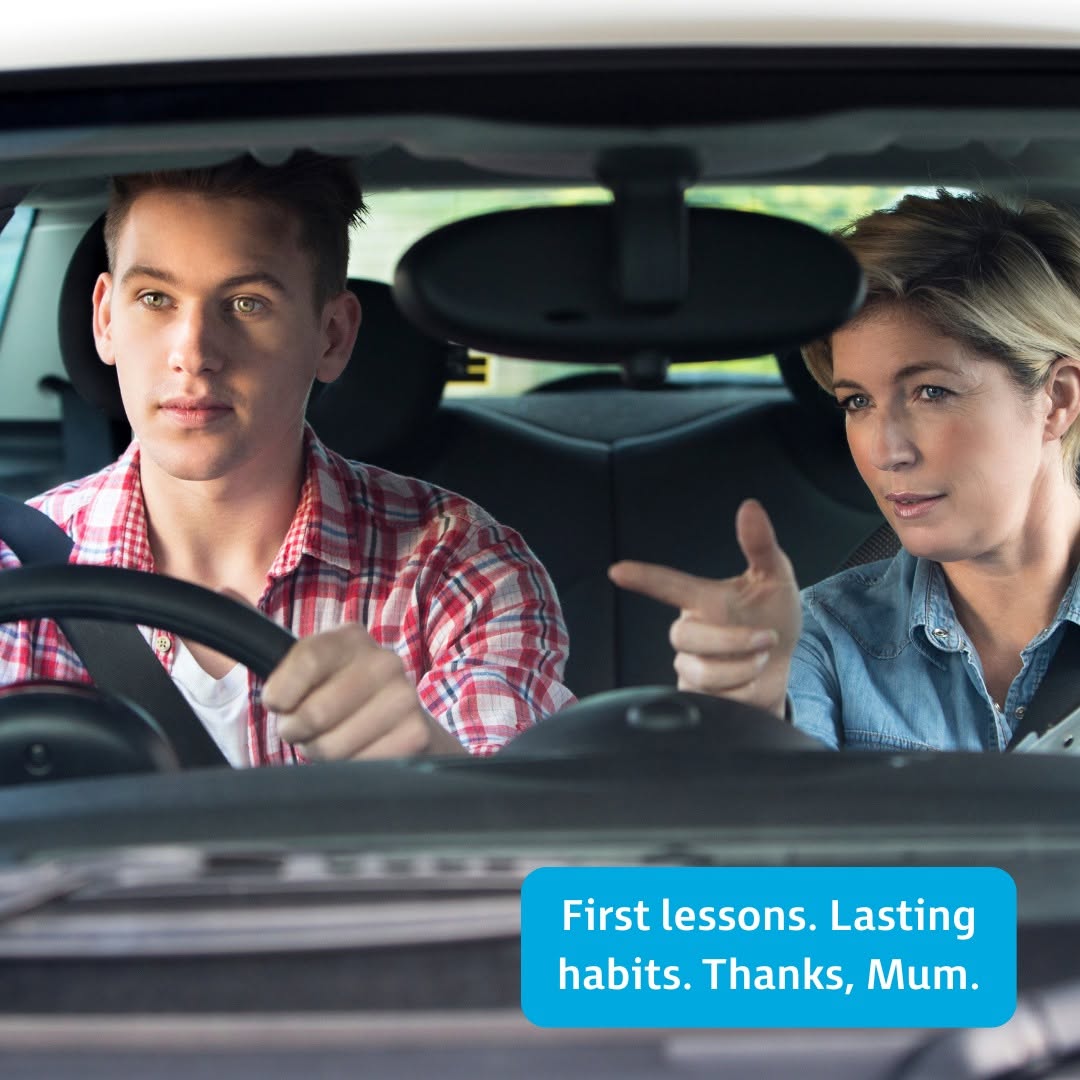
Preparing for the WA Practical Driving Assessment
The PDA is not just a test of whether a learner can park or follow directions. It assesses whether they can drive safely and consistently in real traffic. A teenager can complete a reverse park neatly and still lose marks if their observation, speed management, road position or decision-making is unreliable.
Good preparation begins well before test day. Learners need regular experience applying the same safe process across different roads and conditions. This includes approaching intersections with effective observation, selecting safe gaps, responding to signs and road markings, maintaining appropriate speed and making controlled manoeuvres.
A professional instructor can identify the small patterns that may affect an assessment. Common examples include incomplete head checks, late signalling, drifting within a lane, stopping too far from the line, hesitating unnecessarily or failing to anticipate changing traffic. These are often fixable, but only when the learner understands the reason behind the correction.
A mock assessment can be helpful close to test day because it shows whether the learner can maintain safe habits without constant prompting. However, it should not become a script to memorise. Assessment routes and traffic conditions can vary. The strongest preparation is a driver who can observe, think and adapt.
Choosing an instructor your teenager can learn from
The best instructor is not necessarily the one who promises the fastest result. Look for a licenced, police-checked professional who communicates clearly, stays patient and teaches current WA requirements. Teenagers need an instructor who can be direct about safety while still making it comfortable to ask questions and make mistakes.
Practical details matter too. Flexible weekday, weekend and night bookings can help families fit lessons around school, sport and work. Free pick-up and drop-off from home, school or work can reduce the logistical burden on parents. Progress reports are also useful, as they give families a clearer picture of what has been covered and where more practice is needed.
Transparent pricing matters because learners progress at different rates. Be cautious of claims that a fixed number of lessons will suit everyone or guarantee a pass. Some teenagers will need more work on confidence; others may need targeted practice with parking, traffic judgement or PDA standards. The aim is readiness, not rushing.
Drive Solo provides individual automatic-car lessons for learners across Perth’s southern suburbs, with qualified instructors, dual-control vehicles and structured feedback designed to build safer long-term driving habits.
Give confidence time to grow
A teenager does not need to be fearless to become a safe driver. They need sound habits, honest feedback and enough varied practice to make good decisions feel familiar. With patient professional coaching and calm support at home, learners can approach their PDA with genuine confidence – and carry safer choices well beyond test day.
