


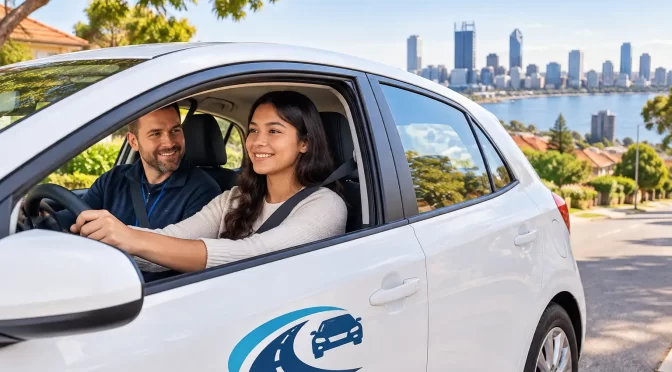
Arriving at your practical driving assessment in a car that is not accepted can end the test before you have had the chance to show what you can do. Understanding the PDA vehicle requirements WA learners need to meet is part of good test preparation, alongside safe observation, road positioning and decision-making.
The vehicle used for a WA Practical Driving Assessment must be safe, legal and suitable for an assessor to sit in and assess you properly. A last-minute warning light, missing L plate or faulty brake light is not a small detail on test day. It can mean the vehicle is refused and your booking is lost.
PDA vehicle requirements WA learners should check
Your test vehicle must be currently registered and roadworthy. Registration alone does not guarantee that a car will be suitable for the assessment. The vehicle needs to be in safe operating condition, with the essential equipment working as intended.
Before leaving for the assessment, check the headlights, brake lights, indicators and hazard lights. The horn, windscreen wipers, demister, mirrors and seatbelts should all work correctly. Tyres need adequate tread and correct inflation, and there should be no obvious damage or mechanical issue that makes the vehicle unsafe to drive.
The assessor may inspect the vehicle before the test begins. They can decline to conduct the PDA if they believe the car is unsafe, defective or unsuitable. That decision protects everyone in the vehicle and other road users, so it is worth treating the check as seriously as the driving itself.
A clean, clear windscreen matters too. Remove anything that blocks your view, including excess clutter on the dashboard, loose items on the floor or stickers that interfere with visibility. Make sure the front passenger seat is clear and can be adjusted, as this is where the assessor will sit.
L plates must be fitted correctly
Learner plates need to be displayed on the front and rear of the vehicle while you are driving. They must be visible and securely attached, not tucked behind tinted glass, bent out of sight or likely to fall off halfway through the assessment.
It is a simple check that is easily missed when a family car is normally driven by someone with a full licence. Keep a spare set of L plates in the car if possible. Magnetic plates can be convenient, but only if they are properly secured to suitable metal surfaces and remain clearly visible.
The vehicle type affects your licence conditions
You should take your PDA in the type of vehicle that matches the licence outcome you want. If you pass the WA car practical driving assessment in an automatic vehicle, your licence will carry an automatic transmission restriction. This means you may drive an automatic car, but not a manual vehicle, unless you later complete the required assessment in a manual.
For many learners, an automatic is the right choice. It lets you focus more attention on scanning, gap selection, speed management and responding to traffic conditions. That can be especially helpful for nervous learners or people who will only drive an automatic after getting their licence.
A manual test may suit you if you are already competent and comfortable with clutch control, hill starts and gear selection. It is not worth choosing a manual simply because it appears more flexible if changing gears still takes attention away from the road. The PDA assesses safe driving, not how difficult you can make the task.
What can cause a test vehicle to be refused?
Most issues are preventable, but they often appear on test day because nobody has checked the car properly. Common reasons a vehicle may be unsuitable include a cracked or obstructed windscreen, faulty lights or indicators, badly worn tyres, an inoperative seatbelt, warning lights that suggest a safety problem, or excessive items blocking the assessor’s space.
Fuel is another practical consideration. Turn up with enough fuel for the assessment and travel around the test area. A low-fuel warning does not automatically mean the car will be rejected, but it adds avoidable pressure. The same goes for a vehicle that is overdue for a service, running roughly or known to have an intermittent fault.
If you are using a parent’s or friend’s car, do not assume that because it is used every day it will be ready for the PDA. Ask to use it for a proper practice drive beforehand. Test the controls, adjust the mirrors and seat, and make sure you can operate the demister, wipers and indicators without searching for them.
A test-day vehicle check worth doing
Give yourself ten minutes before you leave, rather than discovering a problem in the assessment centre car park. Start outside the car by checking the tyres, L plates, lights and general condition. Then sit in the driver’s seat and adjust your seating position, mirrors and head restraint before checking the controls.
Make sure the handbrake or parking brake works, the doors close securely and the dashboard has no unexplained warning lights. If a warning light is showing, do not guess what it means. Have the issue checked before test day. A small problem can become a safety concern quickly when you are driving in traffic.
Keep the cabin tidy. Loose drink bottles, bags and rubbish can roll under pedals or make the vehicle feel cramped. More importantly, a tidy car helps you start the assessment in a settled frame of mind. You want your attention on the road, not on finding a clear place for your belongings.
Do you need dual controls?
Dual controls are not a general requirement for every vehicle used in a WA PDA. A safe, legal family car may be suitable if it meets the assessment requirements. However, a professional driving school vehicle with dual controls gives your instructor an additional safety measure during lessons and the warm-up before your test.
For learners who do not have access to a suitable car, a test-day vehicle package can remove several practical risks. Drive Solo provides automatic, dual-control, fully insured vehicles for learners preparing for their assessment, with a warm-up lesson to settle in and correct any final issues before the test. Availability and the right package should be organised well before your booking date.
Do not forget the driver requirements
A perfect vehicle will not help if you arrive without the documents or supervision needed for your test. Bring your learner’s permit and any booking details requested for the assessment. If you are travelling to the assessment as a learner, you must also be properly supervised until the assessment begins.
Plan your transport home as well. If you pass, you will be excited, but still need to follow your new licence conditions. If you do not pass, you may feel disappointed and tired. Having an experienced supervising driver or instructor with you makes the day easier either way.
Practise in the same car where possible
Every vehicle has different blind spots, brake feel, steering weight and indicator controls. Practising in the car you will use for the PDA helps make these details automatic, so you can concentrate on observation and safe decisions.
That does not mean you need to know every street in the area or memorise a test route. It means you should be able to set up the vehicle independently, move off smoothly, judge its braking response and operate essential controls without hesitation. These are everyday driving habits that also support a calmer assessment.
A suitable test car is not about having the newest model or an expensive vehicle. It is about turning up in a clean, legal, well-maintained car that lets you demonstrate safe driving without preventable distractions. Check it early, practise in it properly, and give yourself the best chance to focus on the skill that matters most: making safe choices on the road.
